Understanding Cultural Etiquette in Southeast Asia
Southeast Asia, with its rich tapestry of cultures, traditions, and histories, offers travelers an immersive experience unlike any other. However, navigating the social norms of countries like Thailand, Vietnam, and Cambodia requires more than just a passing interest; it demands a genuine effort to understand and respect local customs. This article aims to provide a comprehensive overview of cultural etiquette in these three nations, focusing on greetings, temple behavior, and dining practices. By familiarizing yourself with these guidelines, you can ensure that your interactions are conducted with sensitivity and awareness, fostering positive connections with the people you meet.
Before delving into specifics, it is essential to recognize that Southeast Asian cultures place a high value on respect, harmony, and saving face. These principles underpin many social interactions and dictate appropriate behavior in various settings. For instance, the concept of ‘face’ relates to one’s dignity and reputation, and actions that might cause embarrassment or loss of face are carefully avoided. Understanding this cultural context will help you interpret the etiquette rules that follow, as they are designed to maintain social harmony and show respect for others. As you read on, consider how these cultural nuances might influence your own behavior and interactions.
Greetings and Body Language
In many Southeast Asian countries, the traditional greeting differs significantly from the Western handshake. In Thailand, the customary greeting is the ‘wai,’ which involves placing your palms together in a prayer-like gesture and bowing slightly. The height of your hands and the depth of your bow depend on the social status of the person you are greeting, with higher hands and deeper bows reserved for those of higher status, such as monks or elders. As a foreigner, it is acceptable to offer a simple wai with your hands at chest level, and most Thais will appreciate your effort. When receiving a wai, it is polite to return one, even if you are not familiar with the intricacies of the gesture.
In Vietnam, greetings are typically more understated. A simple verbal greeting such as ‘Xin chào’ (hello) is common, accompanied by a slight nod or smile. Handshakes are also accepted, particularly in business settings, but it is important to use both hands or your right hand, as the left hand is considered unclean. In Cambodia, the traditional greeting is the ‘sampeah,’ which is similar to the Thai wai. The same principles apply: higher hands and lower bows indicate greater respect. When in doubt, observing locals and mirroring their actions is a safe approach. Additionally, physical touch should be minimal; patting someone on the head or pointing your feet at someone is considered disrespectful, as the head is seen as the highest part of the body and the feet the lowest.
Etiquette in Temples and Sacred Sites
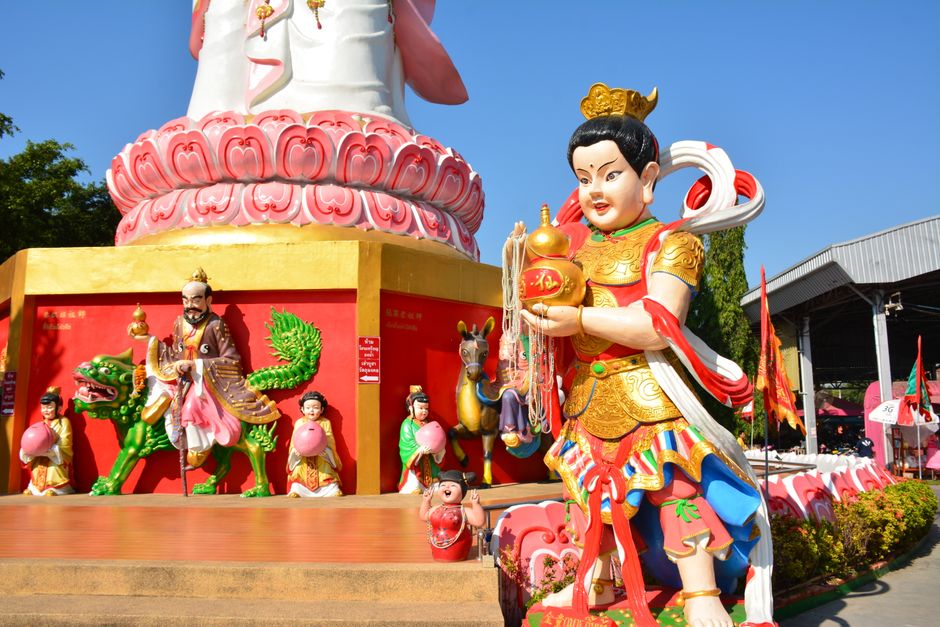
Visiting temples and sacred sites is a highlight of any trip to Southeast Asia, but it requires adherence to specific rules to show respect for religious practices. Modest clothing is essential: shoulders and knees should be covered, and shoes must be removed before entering temple buildings or any areas where the floor is considered sacred. This practice is common in Thailand, Vietnam, and Cambodia, and failing to comply is seen as highly disrespectful. You may notice that locals will often wash their feet before entering certain temple areas, a custom that underscores the importance of purity and cleanliness in these spaces.
When inside a temple, maintain a quiet and reverent demeanor. Avoid pointing your feet towards Buddha images, sitting so that your feet face the altar, or touching the statues. In many temples, there are areas designated for meditation or prayer, and it is important to avoid disrupting these activities. Photography is often permitted, but flash and tripods are usually prohibited, especially in areas with ancient paintings or artifacts. Also, be mindful of monks and nuns, who may wish to avoid proximity to women; female visitors should not initiate physical contact with a monk, and in some cases, should not hand objects directly to them.
In addition to these general guidelines, each country has its own specific practices. In Thailand, it is customary to remove shoes before entering any home, not just temples, and to step over doorways rather than on the threshold. In Vietnam, you may encounter ancestor altars in homes and businesses; never touch or gesture towards them, as they are deeply revered. In Cambodia, where Theravada Buddhism is predominant, showing reverence to Buddhist relics and ceremonies is of utmost importance. By observing these rules, you demonstrate a willingness to respect local beliefs and traditions.
Dining Etiquette and Social Customs
Sharing meals is a central part of social interaction in Southeast Asia, and there are several customs to be aware of to dine respectfully. When invited to a local’s home, it is customary to bring a small gift, such as fruit, sweets, or flowers, though it is important to avoid items that might be associated with negative symbolism. For example, in some cultures, certain flowers or colors are linked to funerals, so it is wise to ask your host for guidance. Once at the table, wait to be seated, as the host will often assign seats based on hierarchy. Elders are typically served first, and it is polite to show deference to them.
In many Southeast Asian countries, meals are served family-style, with dishes placed in the center of the table. It is customary to serve yourself from these dishes using the serving utensils provided, rather than taking food directly with your personal chopsticks or spoon. In Vietnam and Cambodia, chopsticks are common, but in Thailand, a spoon and fork are used, with the fork pushing food onto the spoon. It is considered improper to point with chopsticks, stick them upright in a bowl of rice (as this resembles incense burning at a funeral), or pass food from chopsticks to chopsticks. When using toothpicks, the practice is to cover your mouth with your other hand.
Drinking also has its own set of rules. Alcoholic beverages are often shared, and it is polite to offer to pour drinks for others before filling your own glass. When someone offers you a drink, raise your glass with both hands as a sign of respect. In some settings, particularly in Vietnam, you may be expected to say ‘trăm phần trăm’ (100%) before drinking, and it is customary to clink glasses with everyone present. However, it is perfectly acceptable to politely decline alcohol; you might say ‘Tôi không uống rượu’ (I don’t drink alcohol) and smile to avoid causing offence.
Navigating Cultural Differences with Sensitivity
While this guide covers the essential aspects of etiquette, it is not exhaustive. Cultural norms can vary within regions and social groups, so observation and adaptability are key. When in doubt, listening more than speaking, and asking questions in a humble manner, can help you navigate unfamiliar situations. Locals are generally understanding of foreigners’ lack of knowledge, but making a sincere effort to follow local customs is deeply appreciated. It is also important to be aware of the historical and political contexts that shape these cultures; for instance, in Cambodia, the scars of the Khmer Rouge era might influence attitudes towards certain topics, so heeding local cues and avoiding sensitive subjects is prudent.
Another aspect of cultural sensitivity pertains to environmental and social responsibility. In many Southeast Asian communities, maintaining face and social harmony is intertwined with communal well-being. As a traveler, you can contribute positively by supporting local businesses, respecting local resources, and avoiding actions that might be perceived as intrusive or disrespectful. This includes being mindful of your dress in rural areas, seeking permission before photographing individuals, and disposing of waste appropriately. By adopting a mindset of cultural humility, you not only avoid potential faux pas but also enhance your own travel experience by fostering deeper connections with the places and people you encounter.
Remember that cultural etiquette is not about memorizing strict rules but about demonstrating a genuine desire to understand and respect the traditions of others.
Adapting to Local Norms: Practical Tips
To further assist you in your cultural journey, here are some practical tips that can be effortlessly integrated into your travel repertoire. Firstly, learn a few basic phrases in the local language; even a simple ‘hello’ and ‘thank you’ can open doors and show your appreciation for the culture. In Thailand, ‘Sawasdee krub/ka’ (hello) and ‘Khob khun krub/ka’ (thank you) are useful, with the final word depending on your gender. In Vietnam, ‘Xin chào’ and ‘Cảm ơn’ are essential, while in Cambodia, ‘Chum reap suor’ and ‘Orkun’ serve the same purpose. When making a request, using polite particles or a polite tone is often more important than the words themselves.
Additionally, pay attention to personal space and public behavior. Southeast Asian societies tend to be more reserved in public displays of affection, and hugging or kissing in greeting is uncommon. Public displays of anger or frustration are also frowned upon, as they disrupt harmony. Instead, courteous patience is valued. When using public transportation or other shared spaces, be prepared to follow local customs, such as giving up your seat to monks, pregnant women, or the elderly, which is a common sign of respect. By cultivating these habits, you will find that your interactions become more smooth and enjoyable, and you will likely receive an overwhelming warmth from the locals.
Finally, consider the impact of your actions on the perception of your own culture. As a traveler, you are an ambassador of your own country, and your behavior can shape local attitudes towards tourists from your nation. Embracing the local etiquette not only honors the host culture but also contributes to the global spirit of mutual understanding. Whether you are exploring the golden temples of Bangkok, the bustling streets of Hanoi, or the ancient wonders of Angkor Wat, approaching each experience with an open heart and a respectful mindset will enrich your journey in ways that transcend mere tourism.