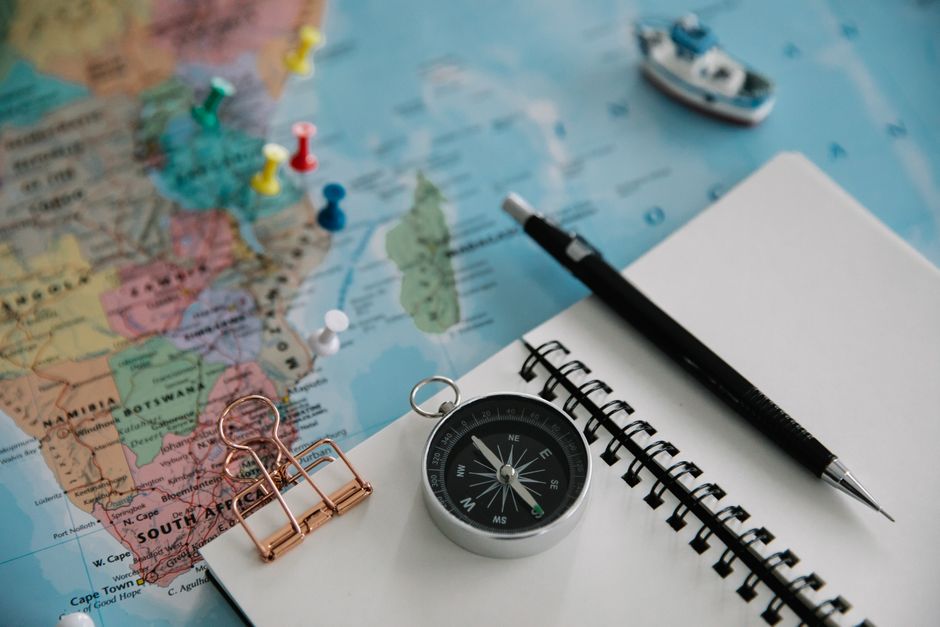
10 Budgeting Tips for Long-Term Travel
Long-term travel offers an opportunity to explore the world at a slower pace, but it also requires careful financial planning. Managing a budget over an extended period involves more than just tracking expenses; it demands a strategic approach to daily spending, accommodation, and unforeseen costs. This article outlines ten practical tips that can help travelers stretch their funds while maintaining a comfortable and enriching experience. These suggestions are based on general principles of budgeting and are intended to inform rather than prescribe. Each traveler’s situation is unique, and outcomes depend on various factors such as destination choices, lifestyle preferences, and currency fluctuations.
By adopting a mindful approach to money management, travelers can focus on the experiences that matter most. The tips presented here cover a range of areas, from setting realistic daily limits to leveraging local resources. Whether you are planning a gap year or a sabbatical, these strategies aim to provide a framework for sustainable spending. It is important to remember that budgeting is not about deprivation but about making informed choices that align with your priorities.
Understanding Your Baseline Spending
The first step in effective budgeting is understanding your baseline spending. This involves calculating how much you typically spend per day on essentials like food, transportation, and lodging. Before departure, research the cost of living in your chosen destinations to establish a realistic daily budget. Unexpected expenses may arise, so it is wise to include a buffer of at least 10-20% to account for emergencies or price variations. Monitoring your actual expenditures during the first week of travel can help you adjust your daily limits accordingly. By establishing a clear baseline, you can make informed decisions about where to save and where to splurge.
Creating a detailed spreadsheet or using a budgeting app can simplify this process. Categorize your expenses to identify areas where you tend to overspend. For instance, you might discover that dining out consumes a significant portion of your budget, prompting you to explore more affordable alternatives. Additionally, understanding your baseline allows you to plan for longer-term costs, such as visa renewals or health insurance, which are often overlooked. Regularly reviewing your budget ensures that you stay on track without feeling restricted.
Setting a Daily Spending Limit
Once you have a baseline, set a daily spending limit that aligns with your overall budget. This limit should be specific and easy to track, such as $50 per day for all expenses combined. Having a defined limit helps you make quick decisions about whether an expense is necessary. For example, if you know you have already spent $30 by mid-afternoon, you might choose a more budget-friendly dinner option. Daily limits also encourage mindful consumption, reducing impulse purchases. However, flexibility is key; some days may require more spending, while others may allow you to save extra. Consider a weekly budget instead of a daily one to accommodate varying costs.
To make daily limits effective, use cash instead of cards for daily expenses. Physical cash provides a tangible sense of spending and can prevent overspending. Many travelers find that withdrawing a set amount at the beginning of the week and dividing it into envelopes for different categories—food, transport, leisure—works well. This method, known as envelope budgeting, can help you stick to your limits without constant mental math. Alternatively, digital apps like Trail Wallet or TravelSpend offer convenient tracking. The key is to find a system that feels manageable and sustainable for the duration of your trip.
Accommodation Hacks to Reduce Costs
Accommodation often represents one of the largest expenses during long-term travel. However, there are numerous ways to reduce these costs without sacrificing comfort. Consider staying in hostels, guesthouses, or budget hotels, which are typically cheaper than hotels. Additionally, house-sitting or home exchange arrangements can provide free accommodation in exchange for caring for a property or pet. Websites such as TrustedHousesitters and HomeExchange connect travelers with hosts worldwide, offering a unique way to live like a local. Another option is to rent an apartment or room on a monthly basis, which often results in lower nightly rates compared to short-term stays.
When booking accommodation, look for deals and discounts. Many platforms offer weekly or monthly rates, and negotiating directly with owners can lead to further savings. Staying slightly outside popular tourist areas can also reduce costs while providing a more authentic experience. Additionally, consider volunteering in exchange for free accommodation. Programs like Workaway and HelpX allow travelers to work a few hours a day in exchange for a place to stay. This not only cuts accommodation costs but also offers opportunities for cultural immersion. By exploring these alternatives, travelers can significantly lower their overall expenses.
Smart Eating Strategies
Food is another major budget category, but with careful planning, you can eat well without overspending. One effective strategy is to eat like a local: shop at farmers’ markets and grocery stores, and prepare your own meals when possible. Many accommodations provide kitchen access, enabling you to cook simple meals and reduce dining out. If you do eat out, choose local eateries where prices are often lower than at tourist-oriented restaurants. Lunch menus are usually cheaper than dinner menus, so consider having your main meal midday. Additionally, take advantage of free breakfasts offered by some hostels or hotels.
Snacking can also inflate your budget, so plan ahead by carrying snacks like nuts, fruit, or energy bars. This prevents impulse purchases when hunger strikes. Many travelers also use apps like Too Good To Go, which offer surplus food from restaurants at discounted prices. When shopping, look for local specialties and seasonal produce, which tend to be more affordable. By adopting a flexible approach to food, you can enjoy diverse culinary experiences while keeping costs under control. Remember that cooking and sharing meals with fellow travelers can also be a rewarding social activity.
Transportation Savings
Getting around can consume a considerable portion of your budget if not managed carefully. For long-distance travel, compare different modes of transportation, such as buses, trains, and budget airlines. Overnight buses or trains can save on a night’s accommodation. Booking tickets in advance often results in lower prices, especially for trains and flights. Within cities, opt for walking or cycling whenever possible; this is not only free but also allows you to discover hidden gems. Public transportation is generally more economical than taxis or ride-sharing services, and many cities offer discounted multi-day passes.
For longer stays, consider renting a bicycle or scooter, which can be more cost-effective than daily public transport fares. Some travelers choose to buy a local sim card for data, using apps to navigate affordable routes. Additionally, look into car-sharing or ride-hailing services that may offer lower rates for multiple passengers. To further reduce costs, plan your itinerary to minimize backtracking and unnecessary travel. By being strategic about transportation, you can allocate more of your budget to experiences and activities.
Money-Saving Apps and Tools
In the digital age, numerous apps and tools can help you manage your travel budget efficiently. Currency converters, budgeting apps, and expense trackers are essential. For currency exchange, use apps like XE or Revolut that offer competitive rates and low fees. If you need to withdraw cash, choose ATMs that do not charge foreign transaction fees. Many banks offer travel-friendly cards with no fees, but it is important to research and compare options before leaving. Additionally, apps like Splitwise can simplify group expenses, ensuring that everyone pays their fair share.
To find deals on activities and tours, check platforms like Groupon or Klook, which often offer discounts. For flights and accommodation, use fare comparison websites like Skyscanner and Kayak to ensure you are getting the best price. When booking, consider using incognito mode or clearing cookies to avoid algorithmic price increases. Many travelers also use apps like Wise to transfer money internationally at low rates. By leveraging these tools, you can streamline your finances and avoid unnecessary fees, making your budget go further.
Earning While Traveling
Long-term travel does not necessarily mean depleting your savings. Many travelers supplement their budget by working remotely or taking on short-term jobs. Remote work opportunities, such as freelance writing, graphic design, or online teaching, allow you to earn income while exploring the world. Depending on your visa status, you may be able to work legally in certain countries. Alternatively, you can find paid work in hostels, bars, or farms through programs like Workaway or WWOOF. These positions often provide free accommodation and meals in addition to a small stipend.
When considering earning opportunities, it is crucial to research visa requirements and tax implications. Some countries offer working holiday visas, which permit temporary employment. For remote work, ensure you have reliable internet and a suitable workspace. Balancing work and travel requires discipline, but many travelers find it enhances their experience by connecting them with locals and other like-minded individuals. Earning even a modest amount can extend your travels significantly, providing financial breathing room and reducing stress.
Tracking Expenses and Adjusting
Consistent expense tracking is vital for maintaining a budget over months of travel. Choose a method that works for you, whether it is a notebook, spreadsheet, or an app. Record all expenses, no matter how small, to get an accurate picture of your spending. At the end of each week, review your records and compare them to your budget. This practice helps you identify areas where you are overspending and make necessary adjustments. For example, if you notice that your entertainment costs are high, you might seek free activities or limit nights out.
Budgeting is a dynamic process; you should regularly reassess your daily limits based on actual spending and changing circumstances. If you spend less in one category, you can reallocate funds to another or save for a special experience. Flexibility is key, but it is also important to stay disciplined. Set milestones and rewards for sticking to your budget, such as booking a nice hotel for a few nights after a month of frugal living. By staying vigilant, you can ensure that your finances remain on track throughout your journey.
Planning for the Unexpected
Long-term travel comes with uncertainties, so it is wise to prepare financially for the unexpected. Build a contingency fund that covers at least a month’s worth of expenses. This fund can be used for emergencies like medical issues, lost luggage, or flight cancellations. Additionally, consider purchasing comprehensive travel insurance that covers health, theft, and trip interruption. Insurance premiums vary, but the peace of mind is often worth the cost. Before departure, research the healthcare system in your destinations and know what to do in case of an emergency.
Having a backup plan is also beneficial. Keep an extra bank card in a separate location, and have digital copies of important documents stored securely online. If you plan to rely on earned income, have a financial cushion in case work opportunities do not materialize. By acknowledging that unexpected events may occur, you can travel with greater confidence. This proactive approach allows you to adapt to challenges without derailing your entire trip.
Embracing a Local Lifestyle
One of the most effective ways to save money while traveling is to embrace a local lifestyle. This means eating where locals eat, shopping at local markets, and using public services like libraries and community centers. Locals often know the best affordable places to eat and the cheapest ways to travel. Engaging with expat communities or joining local groups can provide valuable insights. Additionally, participating in free local events, such as festivals, concerts, or art exhibitions, offers cultural experiences without a high price tag.
Living like a local also involves adjusting your expectations. For example, you might cook more often, use laundry services sparingly, or choose activities that are free. By aligning your spending habits with the local economy, you can significantly reduce your daily costs. This approach not only helps your budget but also deepens your travel experience, allowing you to gain a more authentic perspective on the places you visit. Over time, these choices become second nature, making budgeting less of a chore and more of a lifestyle.
Budgeting is not about depriving yourself of experiences; it is about prioritizing what matters most and making informed decisions that align with your values.
In conclusion, long-term travel on a budget is achievable with careful planning and a willingness to adapt. By understanding your baseline spending, setting daily limits, and exploring creative accommodation and food options, you can significantly reduce expenses. Tracking your finances, planning for the unexpected, and earning as you go are additional strategies that provide financial flexibility. Ultimately, the goal is to create a sustainable budget that allows you to immerse yourself in new cultures without constant financial stress. These tips are meant to serve as a starting point; each traveler must tailor them to their own circumstances and priorities.